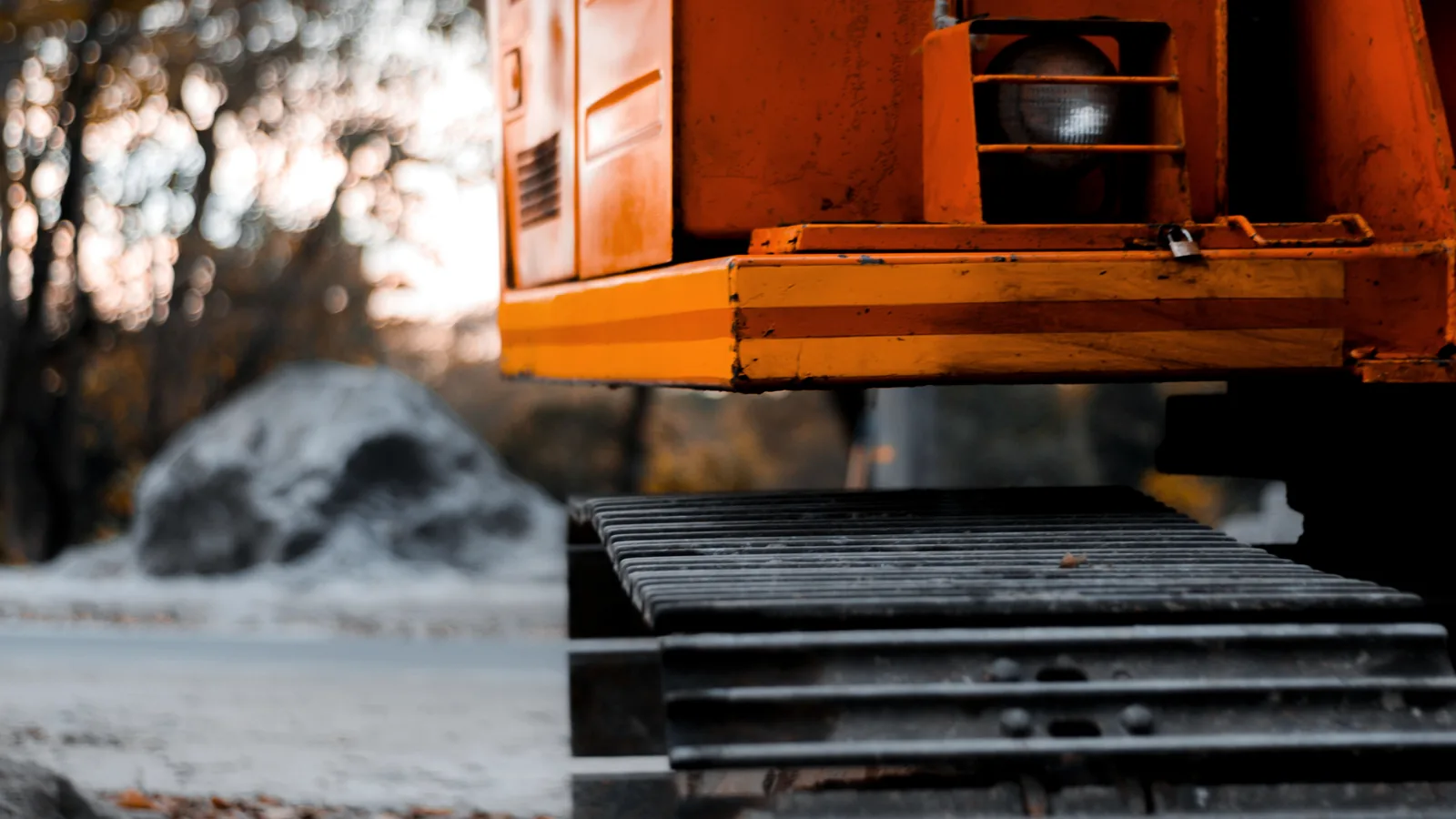
For tracked excavators and bulldozers, the undercarriage represents roughly 50% of all maintenance costs over the lifetime of the machine. Because components work under continuous friction, abrasiveness, and heavy structural load, a small misalignment can quickly accelerate wear across the entire track system.
Table of Contents
Key undercarriage components to monitor
To protect your operation from unexpected track separation or premature failure, track and maintain these key wear areas:
- Track Links and Pins: Internal pins rotate inside bushings as the track moves. If internal lubrication fails, raw friction can quickly stretch the overall pitch of the track.
- Carrier Rollers and Track Rollers: These parts guide the track chain and support the weight of the upper chassis. Look closely for flat spots or oil leaks around the dual-cone seals.
- Idlers: Located at the front of the frame, the idler maintains proper track tension and helps absorb forward impacts.
Field inspection checklist
Follow these inspection steps every week to catch wear patterns early:
- Measure Track Tension: Park the machine on level ground with the track straight. Measure the amount of slack or sag between the front idler and the top carrier roller. Too tight, and you will place excessive load on the bearings; too loose, and you risk track derailment.
- Clean Out Packed Debris: Mud, clay, and stones can pack solid inside the track frame. This prevents rollers from rotating freely, causing flat spots and accelerating wear on the links. Clean the undercarriage down thoroughly with a pressure washer at the end of every work day.
- Review Track Shoe Width: Always select the narrowest shoe width possible that still provides adequate flotation for your job site conditions. Using shoes that are wider than necessary increases twisting forces on the links and pins when turning on hard ground.
FAQ
Practical questions before sourcing
How often should tracked equipment undercarriage parts be inspected?+
A quick visual check should be part of daily operation, with more detailed inspections weekly or after work in abrasive mud, rock, demolition debris, or other harsh conditions.
What causes premature undercarriage wear?+
Common causes include incorrect track tension, packed debris, excessive travel speed, frequent sharp turns, wide shoes on hard ground, poor lubrication, and worn rollers or idlers.
Why does track tension matter?+
Track tension affects load on pins, bushings, rollers, idlers, and final drives. Tracks that are too tight accelerate wear, while tracks that are too loose increase derailment risk.
Which undercarriage parts should be included in an RFQ?+
Include track chains, shoes, rollers, carrier rollers, idlers, sprockets, segments, adjusters, bolts, dimensions, tooth count, pitch, shoe width, machine model, and photos.
Can wider track shoes increase wear?+
Yes. Wider shoes can improve flotation in soft ground, but on hard surfaces they increase side loading and twisting forces, which can accelerate wear in links, pins, and rollers.
Request a quote
Prepare a clearer spare parts RFQ
Send the part number, machine model, photos, quantity, destination country, or other RFQ details. Apex can review the request before supplier coordination.
Send RFQ details