
01
Can photos help identify a hydraulic part?
Yes. Photos of the nameplate, ports, shaft, mounting points, connector, cylinder ends, and old part can be useful when the part number is unclear.
Part category sourcing
RFQ-led sourcing support for compatible hydraulic pumps, cylinders, motors, valves, hoses, and fittings from China-based suppliers.
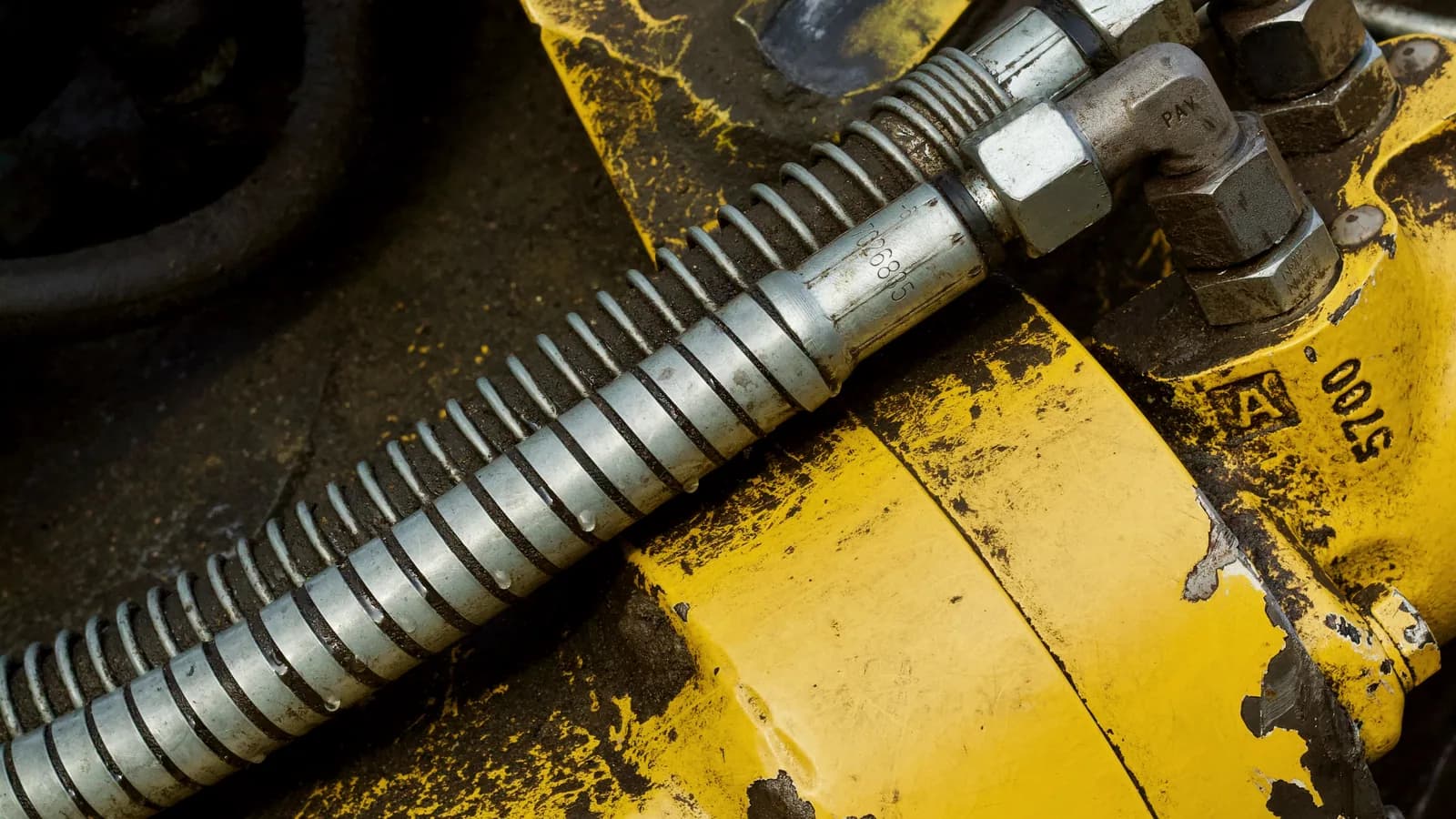
Category overview
Hydraulic parts often require more than a machine name. Supplier review may depend on pump plates, valve tags, cylinder dimensions, port sizes, connector details, mounting patterns, photos, quantity, and destination requirements.
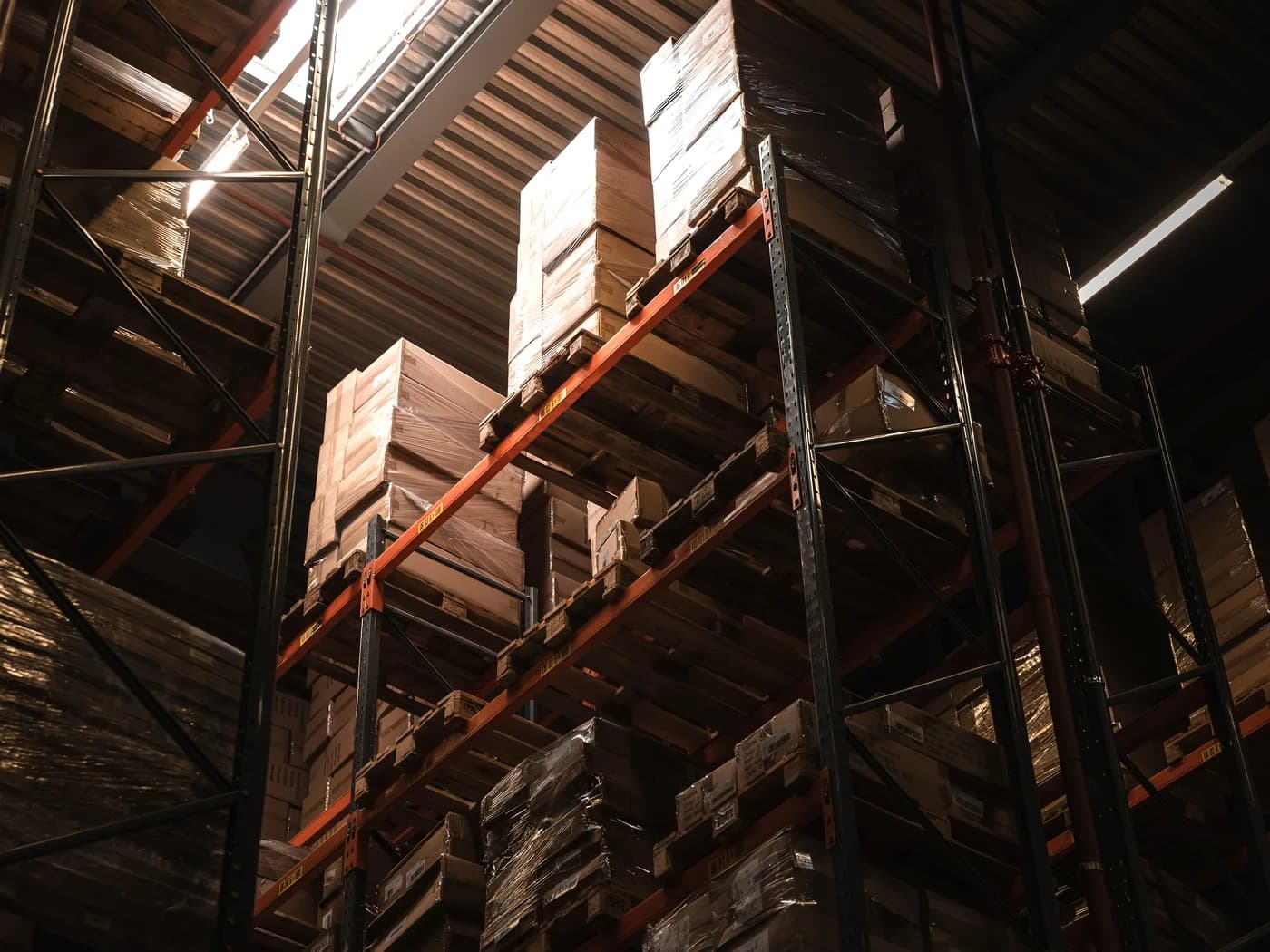
Common requested parts
Hydraulic RFQs may include complete assemblies, service parts, or components that need close comparison before supplier selection.
Buyer RFQ checklist
Clear technical details help suppliers compare hydraulic components that may look similar but differ in connection, mounting, or performance requirements.

Fit confirmation
Hydraulic mismatches can come from similar-looking connectors, different shaft types, port positions, mounting patterns, cylinder dimensions, or valve configurations. Photos and measurements help suppliers check compatibility.
Mismatch risks
Sourcing approach
Apex organizes supplier outreach around the hydraulic application, visible references, machine information, quantity, destination country, and documentation needs so buyers can compare suitable supplier responses.
Sourcing references
A few focused photos can make supplier matching much stronger when the part number is missing or incomplete.
Packing and export
Hydraulic components may need sealing, protective caps, reinforced packing, and clear handling notes. Heavier pumps, cylinders, and motors should have weight and dimensions confirmed before shipment handoff.
Protect ports, shafts, rods, seals, and machined surfaces
Confirm whether caps, wrapping, crate, or pallet packing is needed
Clarify oil residue, cleaning, labeling, and handling expectations
Include destination country and shipment handoff needs in the RFQ
FAQ
Common questions from buyers preparing part category RFQs.
Yes. Photos of the nameplate, ports, shaft, mounting points, connector, cylinder ends, and old part can be useful when the part number is unclear.
Cylinder RFQs benefit from bore, rod diameter, stroke, pin dimensions, mounting style, machine model, serial number, and photos of the old cylinder.
Apex can coordinate RFQs with suitable China-based suppliers and organize assumptions, confirmation questions, and documentation points for buyer review.
Yes. Hydraulic requests are reviewed through an RFQ process because fit, supplier responses, packing, and export details depend on the buyer request.
Part numbers, pump plates, valve tags, cylinder dimensions, connector photos, machine details, quantity, and destination country help reduce mismatch risk.
Related pages
Review engine-related sourcing support for construction equipment parts.
View page
Review RFQ guidance for rollers, idlers, sprockets, chains, and shoes.
View page
Explore machine-level sourcing details for excavator applications.
View page
Submit technical details, photos, quantity, and destination country.
View page
RFQ route
Use the RFQ page to send machine details, part references, photos, quantity, destination country, and sourcing notes for review.
Go to Request QuoteRFQ-led sourcing
Share the part number, machine model, quantity, destination, or a clear photo of the part.
A part number, machine model, or clear photo is enough to get started.