The global supply chain for heavy machinery replacement parts is shifting rapidly. Historically dependent on localized brick-and-mortar dealerships with long lead times, regional distributors and end-users now require faster, data-driven fulfillment options.
Building a resilient B2B construction machinery spare parts supply chain requires integrating modern logistics with digital infrastructure.
Table of Contents
Moving toward lean sourcing and reduced inventory
Carrying extensive capital locked up in slowly moving physical inventory presents a major financial risk for distributors. The modern trend relies heavily on lean sourcing models:
- Data Integration: Linking dealer ERP systems directly with manufacturing partners to automate reorder thresholds based on real-world wear metrics.
- Cross-Docking Processes: Shifting incoming shipments from production directly to outgoing transport containers, reducing warehousing time to less than 24 hours.
Managing geopolitical and transportation vulnerabilities
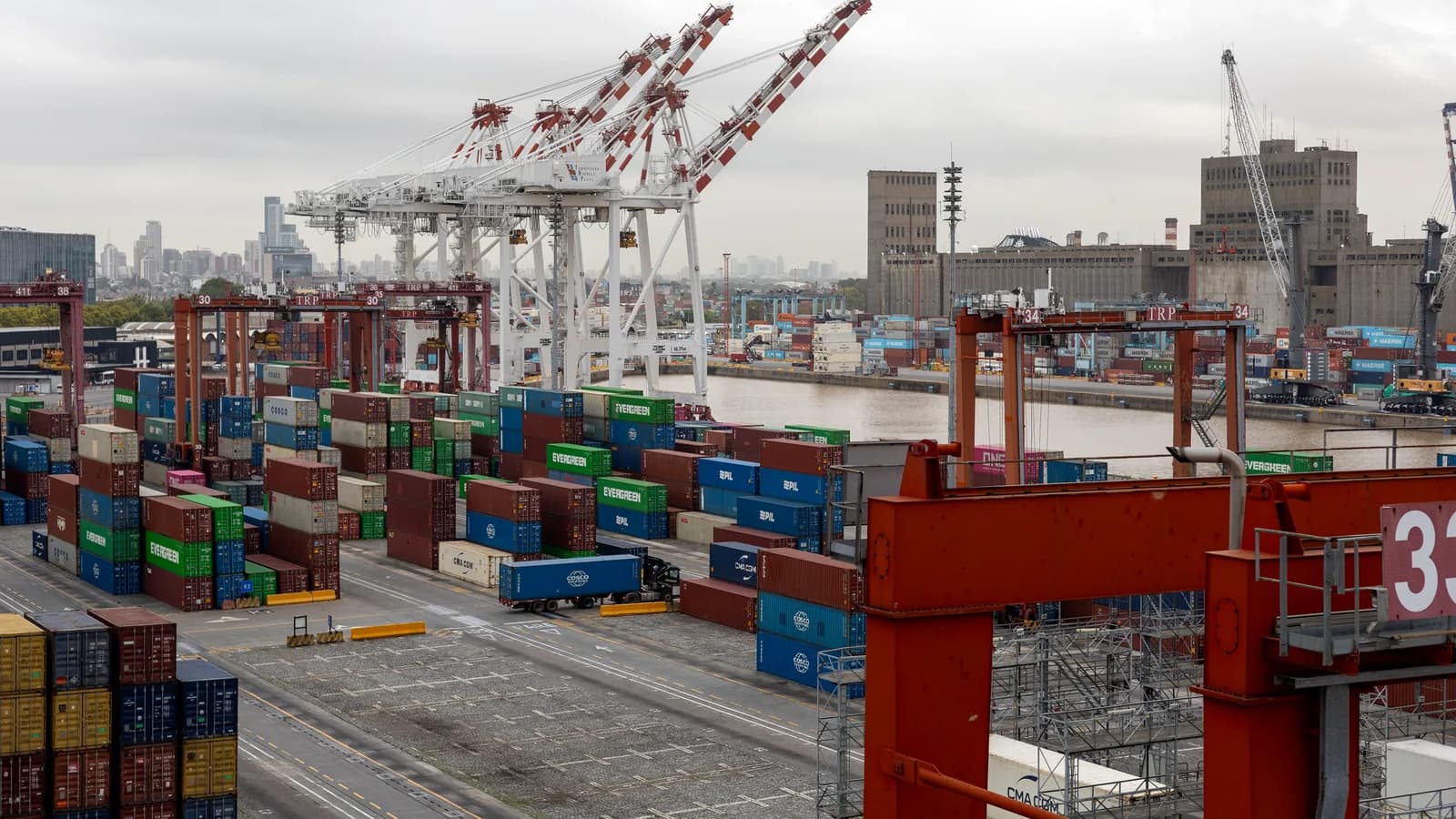
Relying on a single manufacturing source leaves operations highly vulnerable to shipping container shortages, port delays, and changing import tariffs. Best-practice procurement teams implement a China + 1 sourcing strategy, balancing primary high-volume production in main Chinese manufacturing hubs with secondary regional suppliers to keep logistics moving smoothly during unexpected disruptions.
The power of API integration
The future of heavy equipment part distribution is digital. By utilizing open API connections, parts distributors can display availability, lead-time, and shipment-status data directly in client-facing systems. This transparency allows procurement managers to compare options with better visibility over lead times, shipping routes, and landing costs, which builds lasting trust across the entire B2B ecosystem.
FAQ
Practical questions before sourcing
What makes a machinery spare parts supply chain resilient?+
A resilient supply chain uses multiple qualified suppliers, clear RFQ data, reliable documentation, realistic lead-time planning, and backup options for critical parts.
Why should buyers avoid relying on one supplier only?+
Single-supplier dependence can create risk when production delays, port congestion, tariff changes, quality issues, or communication gaps affect that supplier.
How can RFQ data improve sourcing accuracy?+
Accurate part numbers, machine models, serial numbers, photos, dimensions, quantity, and destination details reduce wrong-part risk and help suppliers compare options more precisely.
What role does China sourcing play in B2B spare parts supply?+
China sourcing can support planned replenishment, mixed spare parts RFQs, wear-part procurement, and supplier comparison when buyers manage verification, inspection, and export details carefully.
How should importers compare supplier quotations?+
Importers should compare part description, fit assumptions, photos, documentation, packing, lead time, payment terms, export handoff, freight details, and supplier responsiveness.
Request a quote
Prepare a clearer spare parts RFQ
Send the part number, machine model, photos, quantity, destination country, or other RFQ details. Apex can review the request before supplier coordination.
Send RFQ details